
Menu
Concrete Repair After Flooding: Do’s & Don’ts in Doral, FL
Concrete Repair Doral
The need for effective and timely action is urgent when flooding occurs in Doral and requires an assessment of damage to concrete, along with the assurance that it will be safe and durable. With hurricane, tropical storm, and extreme weather events a regular threat to properties in South Florida, it is imperative for property owners in Miami-Dade County to have knowledge of the appropriate procedures for repairing damaged concrete as a result of flood waters. Contamination, structural compromise, and accelerated degradation are some of the many issues that may occur during a flood event, all of which can be best addressed by professionals who have been trained in assessing flood-damaged properties and developing strategies for repairs. Understanding the steps to take and the potential pitfalls to avoid will determine whether your concrete repair effort is successful or a costly failure, ultimately damaging your property value and jeopardizing public safety. Adhering to established standards for evaluating and repairing flood-damaged concrete ensures that both the initial disaster response and future durability of structures in Doral’s adverse environment are maintained.
Do: Ensure Safety First and Assess Damage Properly
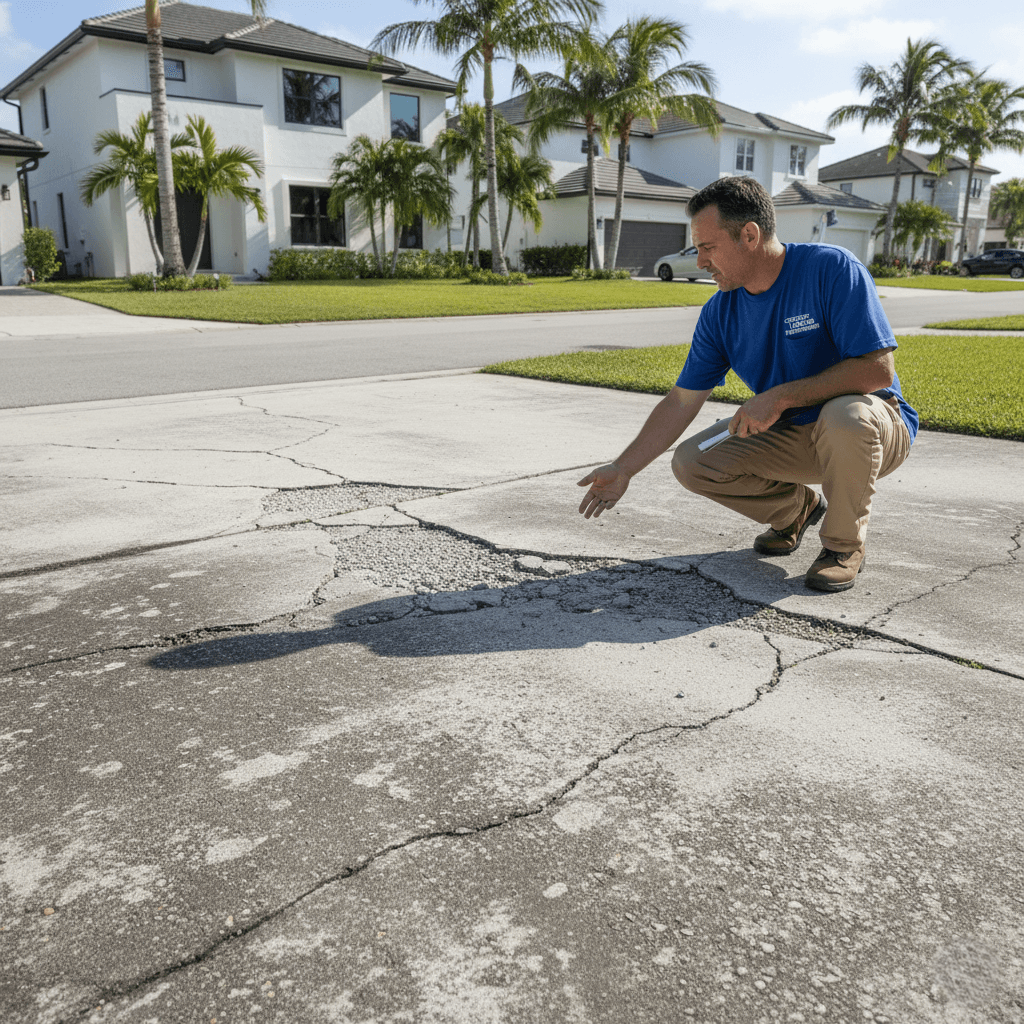
Before beginning any concrete repair work after a flooding event, first and foremost, ensure safety by turning off all electrical systems properly and by verifying structural stability from qualified professionals. Flooding from the rain or storms can compromise the foundations of structures, undermine supports, or create hazardous conditions that cannot be seen immediately. Contact licensed structural engineers to assess the condition of the concrete foundation, slab, and load-bearing elements prior to initiating any repair works.
Document all damage with photos and details for the purpose of documenting insurance claims and planning repairs. These documents will prove to be useful for the immediate repair needs, as well as for any future references to previous damages.
Professional Assessment Requirements
Certified concrete specialists familiar with the proper assessment of post-flood conditions and assessment protocols should be engaged to determine contamination levels, structural integrity, and the most suitable repair methods. The assessments identify the unseen damage that can compromise future performance, as well as which areas need to be repaired immediately and those that can wait until the scheduled repairs occur.
Do Not: Rush Into Repairs Without Proper Evaluation
Do not immediately patch any visible cracks or surface damage without an understanding of the underlying causes of the damage and the contamination levels present. Floodwaters usually carry sewage, chemicals, and debris that enter the pores of concrete and can create problems for a long time unless the contamination is properly addressed before the repair work begins. Repairing damaged surfaces over contaminated concrete typically fails and can trap the contaminants inside the structure.
Never assume that concrete that appears to be in good condition has not been damaged by floodwaters. Water can infiltrate into concrete, contaminating it chemically, and soil movement can create problems that are only visible at a later date. All properties in Downtown Doral and the surrounding areas should undergo a full assessment regardless of their appearance of damage.
Hidden Damage Considerations
Flooding can create problems such as undermining foundations, eroding supporting soils, and introducing contaminants deep into concrete structures that will continue to cause problems even after the waters recede. Professional evaluations reveal these hidden problems prior to them becoming structural problems.
Do: Treat Contamination and Remove Water First
To start repairing the concrete, you must remove contamination from the floodwaters to which the concrete was exposed. Usually, the contamination from floodwaters is made up of sewage, chemicals, and organic matter that can cause continuous deterioration of the concrete unless the contamination is removed or neutralized properly. Use the proper decontamination techniques, including cleaning with antimicrobial solutions and drying completely before performing any structural repairs.
Remove all remaining standing water and use professional-grade dehumidifiers and air circulation equipment to dry out the entire structure. If moisture is left in the concrete, it can develop mold, continue to deteriorate, and ultimately fail the repair materials. Monitor the moisture level of the concrete with professional-grade meters to ensure that the moisture is completely removed before continuing with restoration work.
Decontamination Procedures
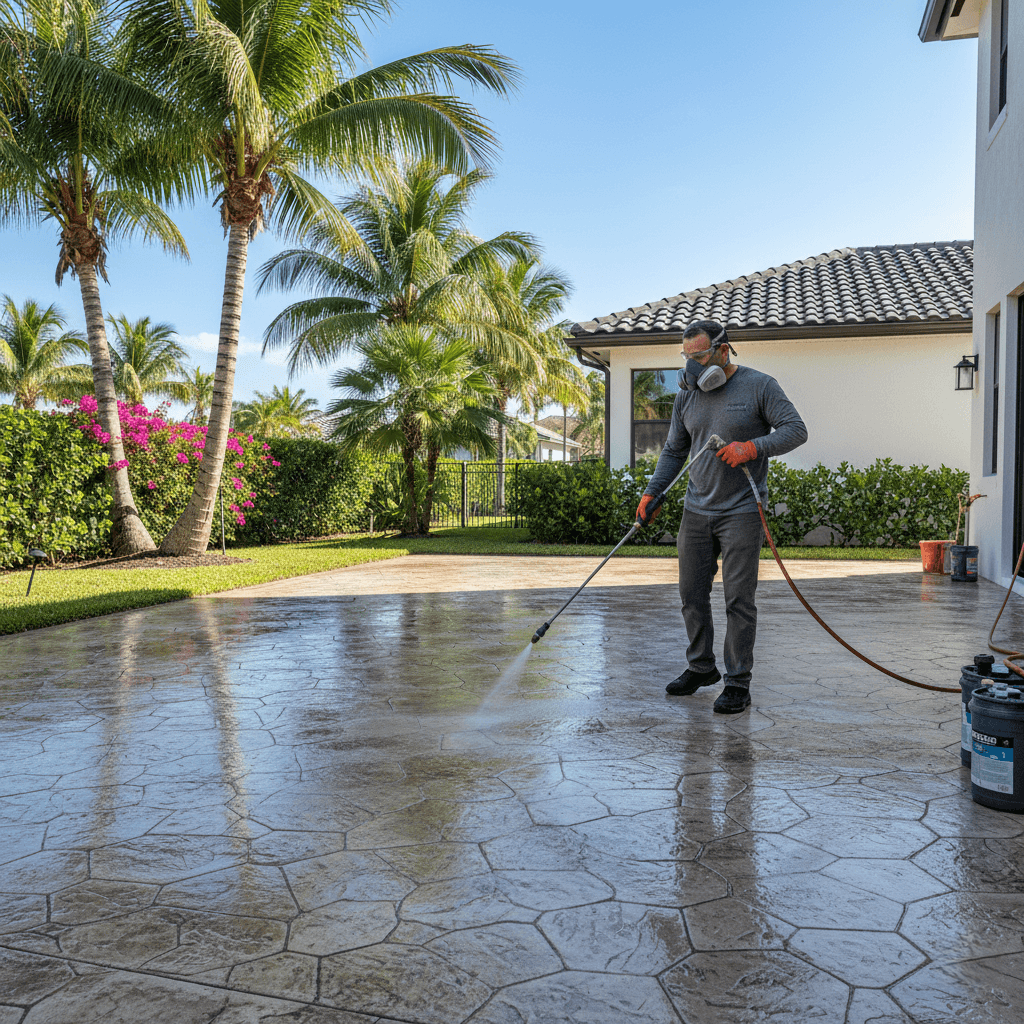
Follow the proper decontamination procedures that address both surface contamination and contamination entering porous concrete. Depending upon the type of contamination, this may involve using specialized cleaning agents, pressure washing, and applying antimicrobial treatments to the surface of the concrete by a certified professional knowledgeable about post-flood restoration practices.
Do Not: Ignore Saltwater Damage Implications
Storms and flooding along coastal areas of Doral and CityPlace Doral can result in saltwater intrusion into the structures and create highly corrosive conditions for the reinforcing steel within the concrete structures. Saltwater infiltration can accelerate the deterioration of the concrete and require special treatment approaches that differ from those for clean water flooding. Never apply repair materials and methods for saltwater-damaged concrete as you would for clean water flooded structures.
Do not use typical repair materials and methods for saltwater-damaged concrete without evaluating the chloride levels and potential for corrosion. In some cases, saltwater contamination may require the total removal of the contaminated concrete, the use of corrosion inhibitors, and additional protective measures during reconstruction to avoid future deterioration.
Chloride Level Testing and Treatment
Professional chloride level testing evaluates the extent of the contamination and provides the basis for determining the most effective treatment approach. Chloride contamination levels may necessitate total removal and replacement of damaged concrete sections rather than surface repairs that do not address the ongoing corrosion issues.
Do: Use Suitable Materials and Techniques
Use repair materials that are specifically designed for post-flood conditions and the challenging South Florida environment. This includes materials with moisture-resistance, antimicrobial additives, and increased adhesion capabilities that are effective in high-humidity conditions. Ensure all materials meet Florida Building Code requirements and manufacturers’ specifications for flood-damaged substrate repairs.
Ensure proper surface preparation for the repair materials by removing all loose material, thoroughly cleaning the surface, and applying the necessary bonding agents to ensure the repair materials bond properly to the existing concrete. Poor surface preparation is the leading cause of repair failures, especially in post-flood conditions where contamination and moisture create difficult bonding conditions.
Selecting Materials for Post-Flood Concrete Repair
Choose materials that have demonstrated performance in South Florida’s unique climate, including resistance to humidity, temperature fluctuations, and potential future flooding. Consider the use of polymer-modified repair compounds that provide greater flexibility and moisture resistance than traditional cement-based repair materials.
Do Not: Attempt Complex Structural Repairs Without Professional Help
Do not attempt to make repairs to load-bearing elements, foundations, or structurally significant portions of concrete without having qualified professional oversight. Post-flood damage often compromises structural integrity in ways that are not evident to untrained observers, and therefore, professional engineering assessments are essential for both safety and compliance with building codes.
Do not disregard permit requirements for concrete repair work, especially when the flooding event creates substantial damage thresholds that require enhanced construction standards. Miami-Dade County has stringent regulations governing post-disaster repairs to ensure structures can withstand future disasters and protect occupants.
Permit and Code Compliance
Be aware that flood-damaged properties may be subject to substantial damage rules that require the upgrade to current building codes. Contractors familiar with the local regulations assist clients in navigating the complexities of these regulations while ensuring that the repair work complies with the codes.
Do: Plan for Enhanced Drainage and Water Management
Include improved drainage systems and water management strategies in the concrete repair plans to decrease the vulnerability of the repaired structure to future flooding. This can include improved grading of the site, enhanced guttering systems, and waterproofing measures that protect the repaired concrete from water damage.
Consider installing sump pumps, drainage systems, and moisture barriers as part of comprehensive repair strategies that address both the initial damage and long-term protection of the structure. Properties located in the Doral Central Park area and other flood-prone areas particularly benefit from incorporating enhanced water management systems into their concrete repair plans.
Designing Future Flood Mitigation
Design repair strategies that restore the function of the original structure and increase the resistance to future flooding through enhanced materials, improved drainage, and elevation of critical elements when possible and practical.
Do Not: Rush the Drying and Curing Process
Do not expedite the drying or curing process beyond what the manufacturer recommends, especially in the high-humidity environment of South Florida. Accelerated drying can create shrinkage cracking and poor performance of repair materials; inadequate curing compromises long-term strength and durability. Allow sufficient time for the completion of moisture removal and proper curing of repair materials, regardless of pressure to complete repairs as soon as possible.
Do not initiate repairs on structures that still retain excess moisture or are exposed to humid ambient conditions resulting from flooding. Trapped moisture prevents the formation of a good bond between the existing concrete and the repair materials and can result in premature failure of repair materials, requiring expensive rework and potentially creating hazardous conditions.
Controlling Ambient Conditions for Curing
Manage the ambient conditions during repair activities using dehumidifiers, fans, and temporary shelters to establish optimal curing conditions. Experienced contractors understand how to manage the ambient conditions for successful outcomes in challenging post-flood circumstances.
Do: Develop Thorough Quality Control
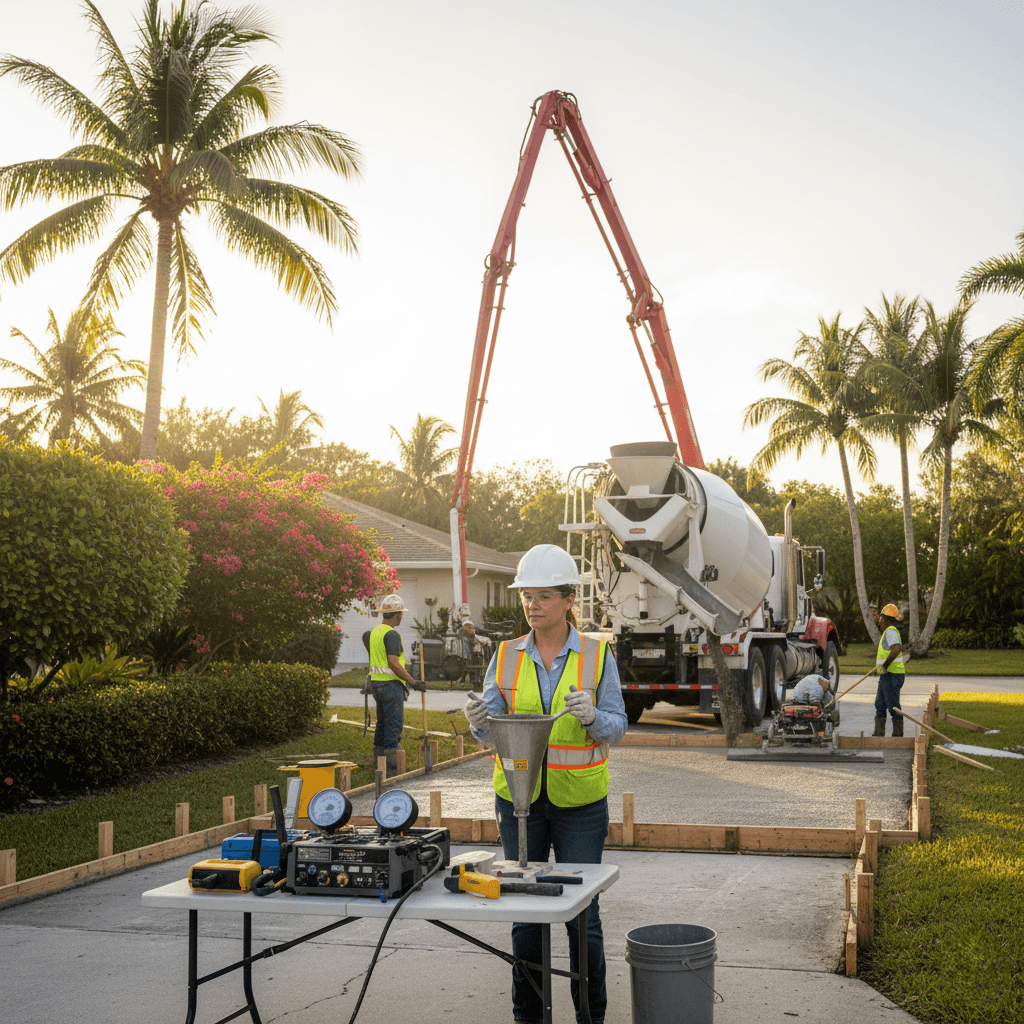
Develop comprehensive quality control procedures, including testing of repair materials for compatibility with the existing concrete, verification of proper mixing and application procedures, and monitoring of the performance of the repair materials. Document all repair procedures, materials used, and quality control measures for future reference and warranty purposes. Documentation of the repair work is beneficial for establishing the basis for insurance claims, planning for future maintenance, and establishing whether the repair work was performed according to the proper procedures, in case problems arise in the future.
Testing and Verification of Quality Control
Develop testing procedures that confirm the quality of the repair, including pull-off tests for adhesion, core samples for verification of compressive strength, and visual inspections for confirmation of correct application and curing of repair materials. Oversight by experienced professionals ensures the testing procedures are properly executed and the test results are properly evaluated.
Do Not: Neglect Mold and Biological Growth Prevention
Do not create conditions that promote mold growth and biological contamination during and subsequent to concrete repairs. This includes completing drying, utilizing antimicrobial treatments when necessary, and maintaining proper ventilation during the repair process. Mold growth can compromise both the health and structural integrity of a structure and create ongoing maintenance issues.
Do not seal moisture or organic contamination within concrete structures through improper cleaning or premature application of impermeable coatings. Sealed moisture and contaminants can continue to create problems and may result in total repair failure, requiring extensive rework.
Control of Biological Contamination
Utilize proper antimicrobial treatments and ensure the environmental conditions are conducive to preventing biological growth, and that the antimicrobial treatments utilized will not affect the performance of the repair materials or the long-term durability of the repair.
Do: Establish Plans for Long-Term Maintenance and Monitoring
Create ongoing maintenance and monitoring plans to help identify potential problems before they become major issues. This includes regularly inspecting the structure for signs of deterioration, moisture intrusion, or repair material failure, especially during the first few years following flood damage and repair.
Plan for implementing enhanced protective measures, such as sealants, coatings, and drainage maintenance, to protect the repaired concrete and reduce its susceptibility to future damage. Ongoing maintenance is much less expensive than emergency repairs and ensures the long-term structural integrity of the structure.
Maintenance Strategies to Prevent Future Failure
Create inspection schedules and maintenance protocols that take into consideration the challenging climate of South Florida and monitor the performance of the repair materials over time. Identifying problems early in the life of the repair work allows for minor intervention rather than major reconstructive work.
Expert Resources and Support
Work with experienced professionals who understand the challenges associated with post-flood concrete repair in South Florida’s environment and regulatory requirements. This includes structural engineers, certified concrete contractors, and restoration specialists who have demonstrated experience in recovering from flood damage.
Coordinate with insurance representatives, permitting agencies, and utility providers as necessary to ensure that comprehensive recovery is achieved that addresses all aspects of flood damage and meets all applicable codes and standards.
At Doral Concrete Works, we specialize in providing concrete repair services that are designed to meet the challenges of post-flood conditions in South Florida. We understand the local challenges and regulatory requirements associated with assessing, safely executing, and effectively repairing flood-damaged structures.
LATEST POSTS